You think you know the secret to enchanting and retaining loyal customers? Think again. Private label products hold the key, my friend. In a world where innovation is king, these hidden gems offer quality, customization, and competitive pricing that’ll make your head spin. Say goodbye to generic brands and hello to exclusivity and differentiation. Trust us, it’s time to unveil the secret and watch your customer loyalty soar to new heights. Buckle up, because we’re about to embark on a journey of unrivaled innovation.
Key Takeaways
- Private label products allow businesses to maintain control over quality and consistency, resulting in trust and repeat business.
- Customization and branding strategies, such as creative packaging and targeted marketing, help private label brands stand out and connect with customers on an emotional level.
- Private label brands offer competitive pricing and value by analyzing market trends, cutting out middlemen, and optimizing production processes.
- Exclusive offerings and differentiation, such as unique designs and limited editions, create a sense of urgency and exclusivity, appealing to customers who appreciate luxury and customization.
Quality Control and Consistency
Private label products ensure that businesses maintain control over the quality and consistency of their offerings. In today’s competitive market, it is crucial for businesses to have a strong supply chain in place to deliver high-quality products consistently. By developing their own private label products, companies can closely monitor every step of the manufacturing process, from product development to quality assurance.
Having control over the supply chain allows businesses to select trusted suppliers who meet their standards and align with their vision. This ensures that only the finest ingredients and materials are used in the production of private label items. With a dedicated team overseeing each stage of the manufacturing process, any potential issues can be identified and resolved promptly, guaranteeing consistent quality.
Moreover, private label products offer an opportunity for businesses to adapt quickly to changing consumer expectations. They have the flexibility to innovate and introduce new products or variations based on market trends or customer feedback. This agility in product development helps keep brands ahead of competition by offering unique solutions that cater directly to consumer needs.
Maintaining control over quality and consistency through private label products builds trust among consumers. When customers see a brand consistently delivering high-quality items, they develop loyalty towards that brand. They come to expect excellence from every purchase they make, which results in repeat business and positive word-of-mouth recommendations.
As we move forward into exploring customization and branding as another key aspect of private label success, it becomes clear how maintaining control over quality lays the foundation for creating a unique and enchanting customer experience without compromising on innovation or reliability.
Customization and Branding
Branding and customization are key factors in establishing a unique identity for businesses. In the world of private label products, these elements play a crucial role in enchanting and retaining loyal customers. By incorporating creative packaging, targeted marketing strategies, product personalization, brand storytelling, and emotional connection, private label brands can leave a lasting impression on their customers.
Let’s dive deeper into each of these aspects with a table to make it more enjoyable:
| Creative Packaging | Targeted Marketing | Product Personalization |
| Unique designs that catch the eye and create intrigue | Tailored messaging that resonates with specific customer segments | Customizable options that allow customers to make the product their own |
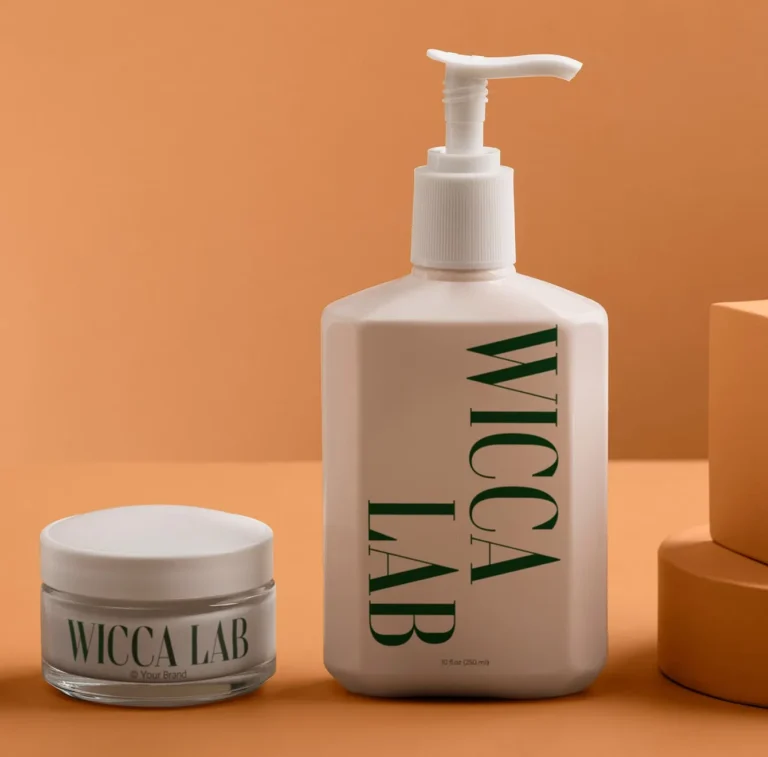
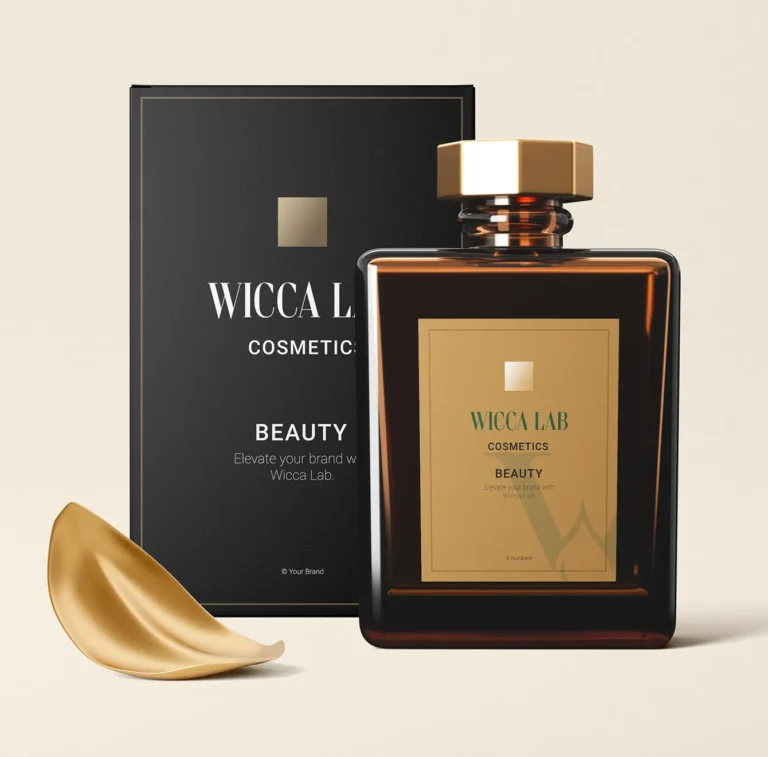
Creative packaging is an opportunity for private label brands to stand out on store shelves. Eye-catching designs not only grab attention but also convey the brand’s personality and values.
Targeted marketing ensures that the right message reaches the right audience. By understanding customer demographics and preferences, private label brands can tailor their communication to resonate with specific segments.
Product personalization takes customization to another level. Giving customers the option to personalize their purchases creates a sense of ownership and exclusivity.
Brand storytelling allows private label brands to share their journey, values, and mission with customers. By connecting on an emotional level through compelling narratives, brands can forge deeper connections with their audience.
By utilizing these strategies effectively, private label brands can establish themselves as not just products but as experiences that evoke emotions within consumers. This emotional connection fosters loyalty and keeps customers coming back for more.
As we move forward into discussing competitive pricing and value in the next section without missing a beat…
Competitive Pricing and Value
Let’s explore how competitive pricing and the value proposition of private label products can benefit you, the savvy consumer. Private label brands have mastered the art of offering products at a price that is hard to resist. Here’s why choosing private label can be a game-changer for your shopping experience:
- Market analysis: Private label brands carefully analyze market trends and consumer behavior to understand what you truly desire. This allows them to create products that cater specifically to your needs and preferences.
- Pricing strategy: By cutting out middlemen and reducing overhead costs, private label brands are able to offer competitive prices without compromising on quality. You get more bang for your buck!
- Consumer behavior: Private label brands recognize that consumers like you are increasingly looking for value in their purchases. They understand that you want high-quality products at affordable prices, and they deliver just that.
- Competitor analysis: To stay ahead of the game, private label brands constantly monitor their competitors’ pricing strategies. This ensures that they remain competitive in the market while still providing exceptional value to you.
- Cost optimization: Private label brands optimize their production processes and supply chain management to minimize costs without sacrificing product quality. This cost-saving approach directly benefits you by offering affordable yet top-notch products.
Exclusive Offerings and Differentiation
Now, we’ll explore how private label products set themselves apart by offering exclusive options and standing out from the competition. Private label brands have the power to captivate customers with their unique designs, limited editions, and special editions. These offerings create a sense of exclusivity that cannot be found in mass-produced products. By providing these one-of-a-kind items, retailers can attract customers who crave innovation and desire to own something truly special.
One way private label products create exclusivity is through their unique designs. Retailers have the freedom to collaborate with talented designers and artists to bring forth fresh and captivating designs that are not available elsewhere. Customers are drawn to these unique offerings because they want to stand out from the crowd and express their individuality.
In addition to unique designs, private label brands also offer limited editions and special editions. These products are often released in small quantities, making them highly sought after by consumers who want something rare and hard-to-find. By leveraging scarcity, retailers can create a sense of urgency among customers, driving them to make a purchase before the opportunity disappears.
Another aspect that sets private label brands apart is their use of premium ingredients. They prioritize quality over quantity, ensuring that every product is crafted with care using only the finest materials available. This commitment to excellence resonates with customers who appreciate luxury and are willing to pay a premium for superior quality.
Furthermore, private label brands provide custom options for customers seeking personalized experiences. Whether it’s choosing custom colors or engraving initials on a product, these custom options allow individuals to tailor their purchases according to their preferences. This level of customization enhances the overall shopping experience and fosters a deeper connection between customer and brand.
By offering exclusive options such as unique designs, limited editions, special editions, premium ingredients, and custom options; private label brands establish themselves as innovators in the market. These enticing features capture the attention of customers looking for something extraordinary and unforgettable.
As we delve into the topic of customer loyalty and trust, it becomes evident that these exclusive offerings and differentiation play a crucial role in building lasting relationships with customers.
Customer Loyalty and Trust
When it comes to building trust and fostering customer loyalty, you’ll want to focus on consistently delivering high-quality products that meet their expectations. Here are four key elements that can help you achieve this:
- Communication and transparency: Openly communicate with your customers about your private label products, including the sourcing of ingredients or materials, production processes, and any relevant certifications or quality standards. By being transparent, you establish a sense of trust and credibility.
- Customer service: Provide exceptional customer service at every touchpoint. Promptly address any concerns or issues raised by your customers and go above and beyond to ensure their satisfaction. This level of personalized care creates a positive impression and builds long-lasting relationships.
- Product satisfaction: Consistently deliver high-quality private label products that not only meet but exceed customer expectations. Conduct regular quality checks, listen to customer feedback, and make necessary improvements to maintain product excellence.
- Brand reputation: Cultivate a strong brand reputation based on reliability, consistency, and integrity. Build a track record of delivering on promises made to customers in terms of quality, value for money, and ethical practices.
By focusing on these elements—communication and transparency, exceptional customer service, product satisfaction, and brand reputation—you can create an emotional connection with your customers that goes beyond just the transactional aspect of purchasing private label products.
As you move forward into the next section about flexibility and innovation in private label products, remember that these elements are essential for building trust with your customers while also staying ahead in an ever-evolving market landscape.
Flexibility and Innovation
To stay ahead of market trends and remain flexible, you can explore new product ideas and adapt your private label offerings accordingly. Product development is a key component in staying innovative and meeting the ever-changing demands of consumers. By conducting thorough market analysis and trend forecasting, you can identify emerging customer preferences and develop products that align with those trends.
Listening to customer feedback is essential in developing successful private label products. By engaging with your customers, you can gain valuable insights into their needs and desires. This feedback can guide your product development process, helping you create offerings that resonate with your target audience.
In addition to focusing on the actual product itself, packaging design plays a crucial role in attracting customers. Eye-catching designs that reflect the latest trends will capture attention on store shelves and online platforms. Consider incorporating sustainable materials or unique shapes to differentiate your private label products from competitors.
Innovation is at the heart of successful private label strategies. Look for opportunities to collaborate with suppliers, partners, or even other brands to create customized products that go beyond traditional offerings. Embrace experimentation and take risks by introducing new flavors, formats, or ingredients that cater to evolving consumer preferences.
Conclusion
So now you know the secret to enchanting and retaining loyal customers with private label products. By maintaining quality control and consistency, offering customization and branding options, providing competitive pricing and value, delivering exclusive offerings and differentiation, building customer loyalty and trust, as well as embracing flexibility and innovation, you can captivate your audience. But here’s a thought: can you afford not to tap into the power of private labels?